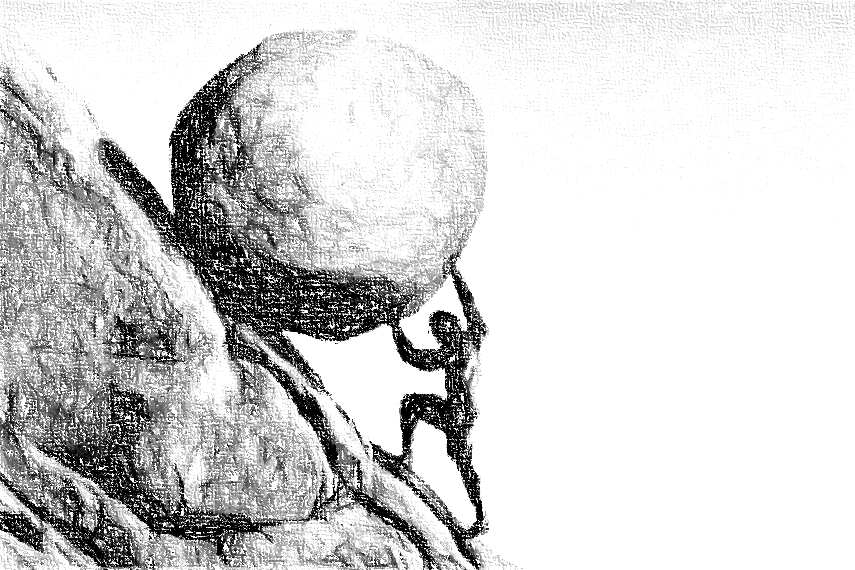
Let’s be honest. If you ask most kids what education means, they’ll say something like
“textbooks,” “exams,” or “that one subject I will never use in real life” (looking at you,
trigonometry). But after eight long years of homework, group projects where one person does all
the work, and teachers saying “this will be on the test,” I’ve discovered something surprising:
education isn’t actually about marks. It’s about becoming a person who can think.
I used to believe school was a factory. You walk in as a Class 1 kid who thinks glue is a snack, and
you walk out twelve years later as an adult who can write essays and (hopefully) knows not to eat
glue. But somewhere between those years, something sneaky happens. While we’re busy
memorising the water cycle for the fifth time, we’re also learning how to ask questions, how to
fail a test and try again anyway, and how to work with that one classmate who “forgot” the
project at home.
That, I think, is the real meaning of education: not filling our heads with facts we’ll forget by next
summer, but training our brains to solve problems, think for ourselves, and be kind to people who
don’t agree with us. A doctor doesn’t just need to know biology; she needs the patience she built
arguing about group project marks in Grade 6. An engineer doesn’t just need physics formulas;
he needs the stubbornness he developed trying to get his volcano project to actually erupt
without setting off the fire alarm.
Education is also, secretly, about learning to be curious again. Little kids ask “why” about
everything — why is the sky blue, why do cats ignore us, why do we have homework on
weekends. Somewhere in middle school, we get embarrassed to ask “why” out loud. But the
truest students are the ones who never stop asking. Doubt it? Ask Einstein. Or ask my Science
teacher, who still gets excited explaining photosynthesis for the hundredth time like it’s brand
new gossip.
So no, education is not just about getting an A+ or making our parents frame our report cards.
It’s about becoming someone who can think clearly, argue fairly, fail without falling apart, and
laugh at themselves along the way (especially after that time I called Napoleon “Napoleon
Dynamite” in a history test). The real purpose of education is not to make us walking
encyclopedias — it’s to make us thoughtful, curious, and slightly less likely to put a fork in a
toaster.
In the end, maybe school isn’t a factory after all. Maybe it’s more like a slow, chaotic,
occasionally hilarious workshop — where broken pencils, dramatic group projects, and one too
many “the dog ate my homework” excuses somehow turn us into better humans. And honestly?
That’s a pretty meaningful reason to show up every morning, half-asleep, backpack too heavy,
and still willing to learn something new